
By: Jim’s NZ Team (15 October 2026)

A great outdoor living area can make a big difference to how you enjoy your home, and you may not need a major renovation to create an outdoor space you actually want to spend time in. Sometimes, it can be as simple as fixing up an old deck or adding some shade.

With summer fast approaching, now is the time to look at your outdoor area and think about what would make it work better for you and your family. Whether you’re keen to host a few classic Kiwi barbecues, have more room for the kids to play, or just to enjoy a quiet coffee outside, a few well-chosen improvements can go a long way!

Here are seven practical ways to get more out of your outdoor space.

1. Start by fixing what you already have

Before investing in new outdoor furniture or landscaping, take a good look at your existing space. Sometimes, a few quality repairs and a thorough tidy-up are all that’s needed to make it feel fresh again.

Check your deck for loose boards, protruding nails, signs of rot, or wobbly handrails. Look at fences and gates for damaged sections, and check outdoor steps for anything loose or uneven.

If you have a paved area, look for cracked pavers or places where water collects after rain. These issues can affect both the appearance and safety of your outdoor space.

Sorting out these jobs first gives you a better foundation for any improvements you want to make later.

2. Create a space that works in all weather

New Zealand weather can be unpredictable, so having some protection from the sun, wind and rain can make your outdoor area much more useful.

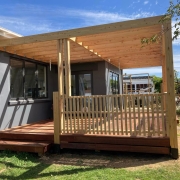
A pergola, covered patio or retractable awning can provide welcome shade in summer and help protect outdoor furniture from the elements. Think about wind direction, too. A sheltered corner, suitable screening or strategically placed plants can make an exposed deck feel more inviting.

Before installing a permanent roof or making structural changes, check whether building consent is required. Requirements depend on the type, size and location of the work, so it’s worth checking before getting started.

3. Make the most of a deck or patio

Your deck or patio can become the centre of your outdoor living space, but it needs to be comfortable and practical.

Start by giving the area a thorough clean. Remove built-up dirt, clear away clutter, and clean outdoor furniture. If timber decking looks tired, consider whether it needs sanding, staining or another suitable protective finish. Make sure the timber is in good condition before applying any treatment.

Next, think about how you want to use the space. A small table and chairs might be ideal for morning coffee, while a larger seating arrangement could work better for entertaining friends and family.

You don’t need to fill every corner with furniture. Leaving enough room to move around comfortably will help the area feel bigger and less cluttered.

4. Add lighting to make evenings more enjoyable

Outdoor lighting can completely change the feel of a space after dark. It also makes paths, steps, and entrances easier to navigate.

Solar-powered garden lights are an easy option for adding a little atmosphere without needing electrical work. You could also use outdoor-rated festoon lights around a seating area or add suitable lighting near steps and walkways.

For a more permanent solution, consider professionally installed lighting around decks, patios and entertaining areas.

Choose lights designed for outdoor use and suitable for their location. Any fixed electrical work should be carried out by a licensed electrical worker.

A combination of practical lighting and softer ambient lighting can make your outdoor space feel welcoming without being too bright.

5. Bring in some greenery

Plants can make an outdoor area feel more private, colourful and connected to the garden. They can also help soften hard surfaces such as concrete, paving and timber decking.

If you have limited space, pots and planters are a simple way to introduce greenery without undertaking major landscaping. Herbs are particularly useful near an outdoor dining area, while flowering plants can add colour throughout the warmer months.

For larger gardens, consider plants that suit your local climate and soil conditions. Native plants can be a good option, particularly when you choose species suited to your region and the amount of sun or shade available.

If privacy is an issue, screening plants or suitable trellises can help create a more secluded feel. Just be mindful of mature plant sizes so they don’t block pathways, overwhelm a small area or require more maintenance than you’d like.

6. Make the space practical for entertaining

If you enjoy having people over, a few thoughtful additions can make outdoor entertaining easier.

A dedicated spot for the barbecue, a small outdoor bench or a weather-resistant storage box can help keep everything organised. Having somewhere to store cushions, gardening tools and outdoor toys also makes it easier to keep the area tidy.

Consider how people will move between your kitchen, outdoor dining area and seating. Keeping pathways clear and providing enough space around tables and chairs can make gatherings feel more relaxed.

You don’t need a fully equipped outdoor kitchen to create a great entertaining area. Often, a clean, comfortable space with enough seating and good shelter is all you need.

7. Choose improvements that suit your budget

It’s easy to get carried away looking at outdoor renovation ideas, but you don’t have to do everything at once.

Start with the jobs that will make the biggest practical difference. Repairing damaged decking, fixing a gate, refreshing tired paintwork or improving a worn seating area may be more worthwhile than buying expensive new furniture.

Set a budget before you begin and get quotes for larger projects. If you’re considering a new deck, retaining wall, permanent shelter or other structural work, make sure you understand the relevant building requirements before committing.

It’s also worth thinking about ongoing maintenance. Choosing durable materials and plants suited to your property can help reduce the time and money needed to keep everything looking good.

Make more of the outdoor space you have

Improving your outdoor living space doesn’t have to mean starting from scratch. A few well-chosen additions to your existing area, quality repairs, better lighting, some greenery, and a comfortable place to sit can make a real difference to how you use your home.

Jim’s Handyman / Jim’s Building & Maintenance is here to help. We can carry out installs, repairs, and other practical improvements around your property. Getting those jobs sorted will help you make better use of your outdoor living area and enjoy it for years to come.

For trusted handyman, building & maintenance services (LBP certified), Request your free, no-obligation quote online now. We normally respond within 2 hours. Or Call 0800 454 654

Winter Safety Around the Home: Small Repairs That Prevent Big Accidents

Winter conditions can make homes more hazardous. Wet surfaces, darker evenings and cold temperatures all increase the risk of slips, trips and falls.

Many of these risks can be reduced with a few simple maintenance checks around the home.

Check outdoor steps and pathways

Rain and fallen leaves can make outdoor areas slippery.

Look for:

  • Loose or damaged steps
  • Uneven paving or cracked pathways
  • Moss or algae on decks and concrete surfaces

Repairing these areas can help prevent accidents.

Make sure handrails are secure

Handrails are especially important during winter when surfaces may be wet or icy.

Check that:

  • Handrails on steps and decks are firmly attached
  • Balustrades are stable
  • Fixings are not loose or rusted

Improve outdoor lighting

Shorter days mean people are often arriving home in the dark.

Good lighting helps people move safely around the property.

Make sure:

  • Entryways and pathways are well lit
  • Outdoor lights are working properly
  • Motion sensors are functioning if installed

Check gates, fences and access areas

Winter winds can place pressure on outdoor structures.

Inspect:

  • Gates that do not close properly
  • Fence panels that may be loose
  • Latches that need adjustment

Repair sticking doors and locks

Cold weather can cause doors to swell and locks to become stiff.

This can create problems in an emergency or simply make access difficult.

Common fixes include:

  • Adjusting doors that no longer close properly
  • Repairing loose door handles
  • Lubricating or replacing faulty locks

Small repairs like these can significantly improve safety around the home during winter. Addressing these issues early helps ensure the property remains safe and comfortable throughout the colder months.

If we can be of help, please give us a call on 0800 454 654.

Why Your Home Feels Damp in Winter (And What You Can Do About It)

Many New Zealand homes feel damp during winter. Condensation on windows, musty smells and cold, clammy rooms are common complaints once the weather turns colder.

Damp homes are uncomfortable and can also affect the health of the people living in them. Understanding what causes winter dampness can help homeowners reduce the problem.

Common causes of damp homes

Several factors can contribute to moisture building up inside a home.

These include:

  • Poor ventilation – moisture from cooking, showering and laundry can become trapped inside
  • Cold surfaces – moisture in the air turns into condensation when it touches cold windows or walls
  • Small gaps or leaks – moisture can enter through damaged cladding, roofing or window seals
  • Blocked gutters or poor drainage – water may collect around the house and increase moisture levels

Signs your home may have a dampness problem

Dampness can show up in several ways.

Watch for:

  • Condensation forming on windows each morning
  • A musty smell inside rooms or cupboards
  • Mould appearing on walls, ceilings or window frames
  • Rooms that feel cold and clammy even when heated

Practical ways to reduce winter dampness

While some moisture in winter is normal, a few improvements can make a big difference.

Simple steps include:

  • Improving ventilation in kitchens and bathrooms
  • Checking window and door seals for gaps
  • Repairing exterior areas where water may be entering
  • Clearing gutters so water drains away properly

A handyman can often help identify and fix small issues that contribute to dampness, such as sealing gaps, repairing damaged areas and improving airflow around the home.

Making these improvements before winter fully sets in can help keep your home warmer, drier and healthier.

If we can be of help, please give us a call on 0800 454 654.

Winter Is Coming: 7 Home Maintenance Jobs to Do Before the Cold Sets In

Late autumn is the ideal time to prepare your home for winter. Once the colder weather arrives, small maintenance issues can quickly turn into bigger problems. Taking care of a few key jobs now can help keep your home warm, dry and safe during the colder months.

Here are some practical tasks homeowners should consider before winter sets in.

  1. Clean out gutters and downpipes

Gutters often fill with leaves and debris during autumn. If they become blocked, rainwater can overflow and damage roofing, cladding and foundations.

Check for:

  • Leaves and debris blocking gutters
  • Downpipes that are not draining properly
  • Gutters that are loose or sagging
  1. Check the roof for loose or damaged areas

Winter storms and heavy rain can expose small roofing problems. A quick check now can help prevent leaks later.

Look for:

  • Loose or cracked roof tiles
  • Lifting metal roofing
  • Damaged flashing around chimneys and vents
  1. Seal gaps around doors and windows

Drafts can make a home feel much colder and increase heating costs.

Common areas to check include:

  • Gaps around door frames
  • Worn or missing weather seals
  • Small openings around window frames
  1. Check outdoor steps and handrails

Wet and icy conditions can make outdoor areas slippery. Making sure steps and handrails are secure can help prevent accidents.

Check for:

  • Loose steps or decking boards
  • Wobbly handrails
  • Surfaces that may become slippery in winter
  1. Test exterior lighting

Days are shorter in winter, and good outdoor lighting helps improve safety.

Make sure:

  • Outdoor lights are working
  • Entryways and paths are well lit
  • Sensors and timers are functioning correctly
  1. Repair small cracks in exterior walls or cladding

Even small cracks can allow moisture into the home during winter storms.

Look for:

  • Gaps around exterior fittings
  • Cracks in weatherboards or cladding
  • Areas where sealant has worn away
  1. Check door locks and latches

Cold weather can cause doors to swell or stick. It is best to fix these issues before winter arrives.

Common problems include:

  • Doors that do not close properly
  • Locks that are stiff or difficult to turn
  • Loose door handles or hardware

Taking care of these small maintenance jobs before winter can help protect your home from moisture, cold air and damage during the colder months.

If we can be of help, please give us a call on 0800 454 654.

Spring is the perfect time to shake off the winter dust and give your home a little attention. With longer days and milder weather, now’s the moment to tackle those small jobs before they turn into big ones. Here are five quick checks and fixes that will help your home look and feel its best:

Read more

A local handyman can prove to be of great value for you. He can perform a number of tasks that are required in the home. From repairing a broken bench to installing an electrical bulb or fixing a broken pipe, handyman services can help you in maintaining your home. The following are a few of the services that are suitable for a handyman.

Read more

Handyman services are required in all areas of Sydney. People require handymen for performing a number of small repairs and maintenance work in their homes and buildings. Jim’s Building and Maintenance offers handyman services Sydney of the highest order. It has expert handymen which are providing their services in different franchises of Jim’s in various parts of the city. If you’re an aspiring businessman, then you should become a part of Jim’s franchise too for the following reasons.

Read more